

Understanding credit balances is key to comprehending financial statements such as balance sheets and income statements. These statements provide a Record Keeping for Small Business snapshot of an organization’s financial health, and knowing which accounts have normal credit balances is essential for accurate financial reporting. Understanding the concept of normal credit balance is essential for anyone involved in finance and accounting. It guides the accurate recording of transactions and plays a significant role in preparing financial statements that reflect a company’s financial position and performance.
- Maintaining proper credit balances in these accounts is crucial for accurate financial reporting.
- On the other hand, the company received cash from the bank, which increases its asset.
- Explore the accounting fundamentals behind the ledgering process, the differences between application ledgers and general ledgers, and more.
- Consequently, accounts that increase with debit entries are said to have a normal debit balance, while those that increase with credit entries have a normal credit balance.
- It’s important to note that the specific accounts may vary depending on the nature of the business and industry.
Cash
Understanding how these accounts affect the financial statements is crucial for interpreting and analyzing a company’s financial health. Equity accounts represent the residual claim of the owners on the assets of the business after liabilities are satisfied. Increases in equity, such as through owner investments or retained earnings, are recorded with a credit.
Revenues and gains are usually credited
A ledger API allows companies who need to move money at scale quickly and easily access, track, audit, and unify all of their financial data in one place. ACID stands for Atomicity, Consistency, Isolation, and Durability—the four rules that keep database transactions running smoothly. Together, they ensure every transaction is reliable, predictable, accurate, and intact. Double-entry accounting ensures that for every change made to an account, there is an equal and opposite change in another.
Contra Accounts
This means that contra account(s) with a normal credit balance include accounts reduce the net amount reported on the financial statement and business transaction. A contra account is an optional accounting tool you can use d to improve the accuracy of financial statements. By contrast, a company in financial trouble will often have more liabilities than assets. A healthy company will have more assets than liabilities, and will therefore have a net positive cash flow. You can use a cash account to record all transactions that involve the receipt or disbursement of cash. For example, the accounts receivable account will usually have a positive balance.
- Concurrency controls in a database ensure that simultaneous transactions will be parsed appropriately.
- Understanding different accounts and their normal credit balances is essential for managing finances effectively.
- At Financopedia, we’re committed to assisting small businesses and individuals with their finances and taxes.
- Whether you are a business owner, an accountant, or an individual trying to navigate personal finances, knowing which accounts typically have credit balances is crucial.
- For instance, when a company receives cash from a customer, the Cash account is debited, increasing its balance.
- It’s crucial to understand that the terms “credit” and “debit” don’t necessarily indicate positive or negative transactions.
- When a business purchases supplies on credit, the Accounts Payable account is credited, increasing the amount owed.
Accounting serves as the language of business, tracking financial transactions to provide a clear picture of an entity’s economic health. At the heart of this system lies the concept of an account balance, which represents the net difference between the total financial inflows and outflows recorded within a specific account. Grasping the idea of a “normal balance” is fundamental to understanding how financial information is organized and interpreted. This knowledge is crucial for understanding financial statements and economic activity. Overall, maintaining normal credit balances provides financial stability, accurate reporting, and effective management of liabilities, equity, and revenue. By adhering to these balances, businesses can make informed decisions, maintain healthy relationships with stakeholders, and work towards long-term financial sustainability.
Cash account
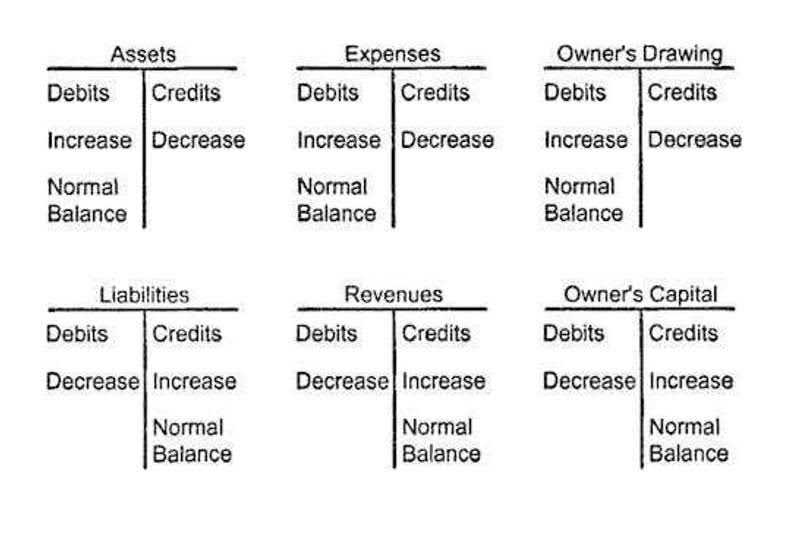
This is the balance an account is expected to carry under typical operating circumstances. If an account shows a balance on the opposite side of its normal balance, it often signals an unusual financial event or a potential recording error that warrants investigation. Consequently, accounts that increase with debit entries are said to have a normal debit balance, while those that increase with credit entries have a normal credit balance. Equity represents the owners’ residual claim on the assets of the business after deducting liabilities. Equity accounts are increased by credits, establishing their normal credit balance. When owners invest cash into the business, the Owner’s Capital account is credited, reflecting the increase in their stake.
Accounts that typically have a debit balance include asset and expense accounts. Accounts such as Accounts Payable, Notes Payable, and Unearned Revenue fall into this https://mantrimallvip.com/light-guide-useful-formulas/ category. Liabilities are increased by credits, meaning their normal balance is a credit.
Which of the following accounts has a normal credit balance?
Increases to an account are recorded on its normal side, while decreases are recorded on the opposite side. A debit entry is placed on the left side of an account, and a credit entry on the right. Grasp a fundamental accounting concept that clarifies how accounts are balanced and transactions recorded accurately.